The 7 A.M. Foods That Tell You How a City Actually Eats
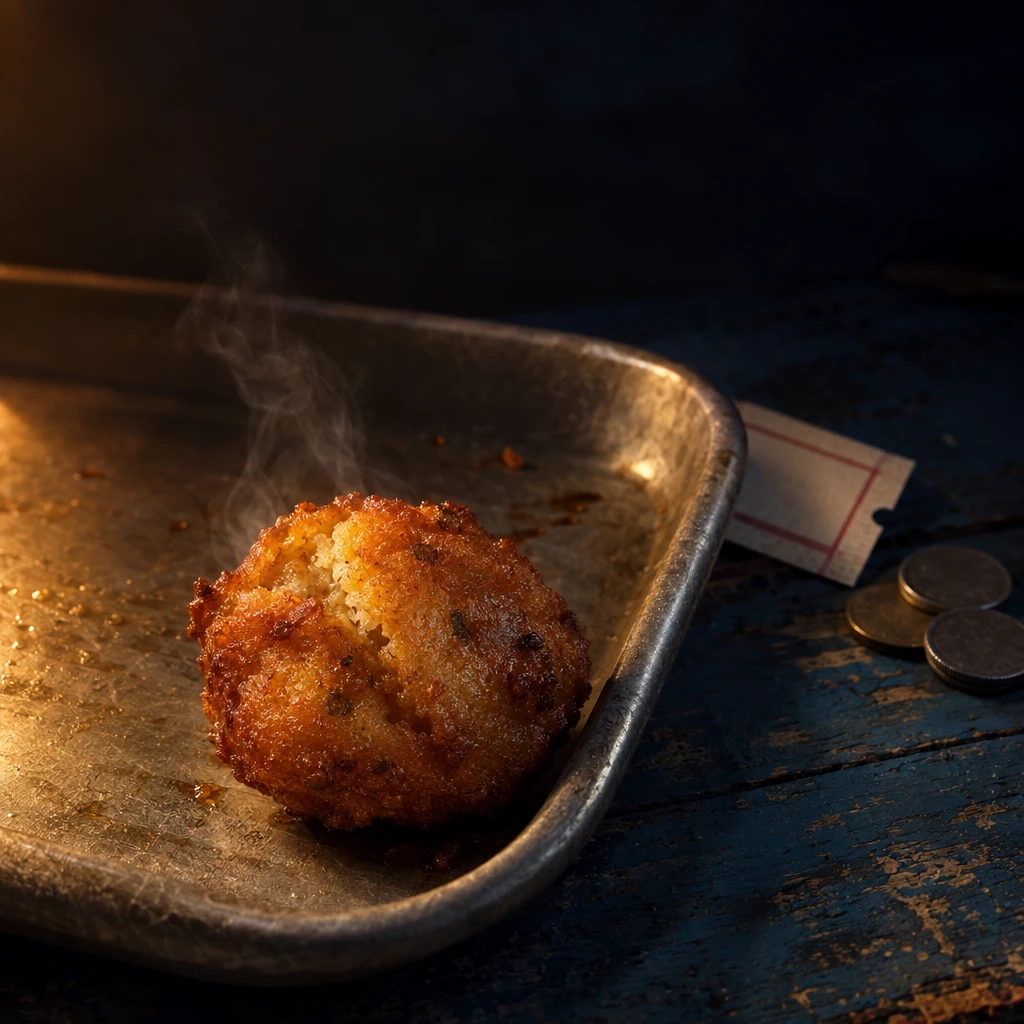
By 6:57, the oil is already speaking.
On a Lagos street corner, a woman stands over a pot and drops spoonfuls of bean batter with the calm speed of someone who has done this for years. School uniforms cluster beside office shirts. A motorbike idles. Nobody is here for a long meal or a story about heritage. They want breakfast that is hot, cheap, and filling enough to carry them into the first hard part of the day. The first batch of Akara is gone almost as soon as it lands on the tray.
Travel writing likes to begin at the market at noon or the table at night. But if you want to know how a city actually eats, get there before 7. The famous dish can tell you what a place wants visitors to remember. Breakfast tells you who has to be somewhere by 8.
Before the city poses for you
At dawn, food is less performance than infrastructure.
It tells you, quickly, a few useful things:
- How long people commute
- How much they can spend without thinking twice
- Whether breakfast is eaten sitting down, standing up, or walking
In western India, that logic might look like a plate of Kanda Poha at a stall near a station, turmeric-bright and soft, with onions, peanuts, and the kind of lightness that still manages to satisfy. It is not a showpiece. That is the point. It fits the rhythm of a morning that starts early but does not have time for heaviness.
I have learned more about cities by watching these exchanges than by chasing their signature dishes. At breakfast, there is no room for fantasy. The food has a job to do.
Food built for motion
Some morning foods are engineered with almost elegant practicality.
In Kuala Lumpur, Roti Canai arrives with a texture that seems designed to wake you up twice, once through heat and once through chew. Around it, the room moves fast. Tea gets poured, sauce gets spooned, people fold and tear and eat with the concentration of those who are already partly at work. You can see the whole city in that table: Indian Muslim cooking, migrant labor, office schedules, night-shift appetites running into the next day.
In Ho Chi Minh City, a packet of Saigon savory sticky rice makes equal sense. Sticky rice holds its shape. The savory toppings do not ask for a fork. It can be eaten on a curb, on a scooter break, or at a plastic table that will be needed by someone else in five minutes. Breakfast here is often a lesson in density. Flavor has to travel compactly.
Beijing offers a similar kind of intelligence in Jianbing. The crepe, the egg, the herbs, the crunch, the sauce, all of it is assembled at a speed that makes the stall feel like a well-run station platform. One hand can hold it. One bite gives you softness, sharpness, and enough structure to keep going. That is not an accident. Cities teach their breakfasts how to move.
The price of a morning
Dawn food also carries the clearest evidence of a city’s economics.
The best breakfast stalls are often working at the exact point where cost, comfort, and time meet. Too expensive and the regulars disappear. Too slow and the line breaks. Too fussy and the food no longer belongs to the hour.
That is why portable breakfasts so often become beloved. They are not stripped down versions of real cuisine. They are real cuisine shaped by rent, transport, school bells, and shifts that start before the sun feels fully up.
In Mexico City, a steamy bundle of Pork Tamales can do the work of breakfast and a little emotional steadiness besides. It is handheld, warming, and deeply familiar, the sort of food that meets people where they are rather than asking them to stop everything and admire it. Plenty of famous foods define a city on postcards. A tamal at 7 a.m. defines it in practice.
There is also a social precision to these foods. Vendors know who needs extra sauce, who always buys two, who is late today, who sends a child with coins folded into a palm. Regular breakfast is a census of the neighborhood in motion.
What 7 a.m. remembers
By midmorning, many cities start performing for themselves. Cafes fill, menus lengthen, and the day gets more expressive. I love that version too. But the clearest picture usually came earlier, when people were buying what they trust.
That is why I now look for the first hot food of the day before I look for the most famous one. Dawn snacks and commuter breakfasts reveal a city without asking it to explain itself. They show what can be made fast, what must stay affordable, what tastes good half-awake, and what people want in their hands when the day is still uncertain.
At 7 a.m., nobody is curating a destination. They are feeding a real morning. And that, more than any marquee dish, is how a city tells you how it lives.