From Regional Specialty to Weeknight Staple: How 5 Dishes Went Mainstream
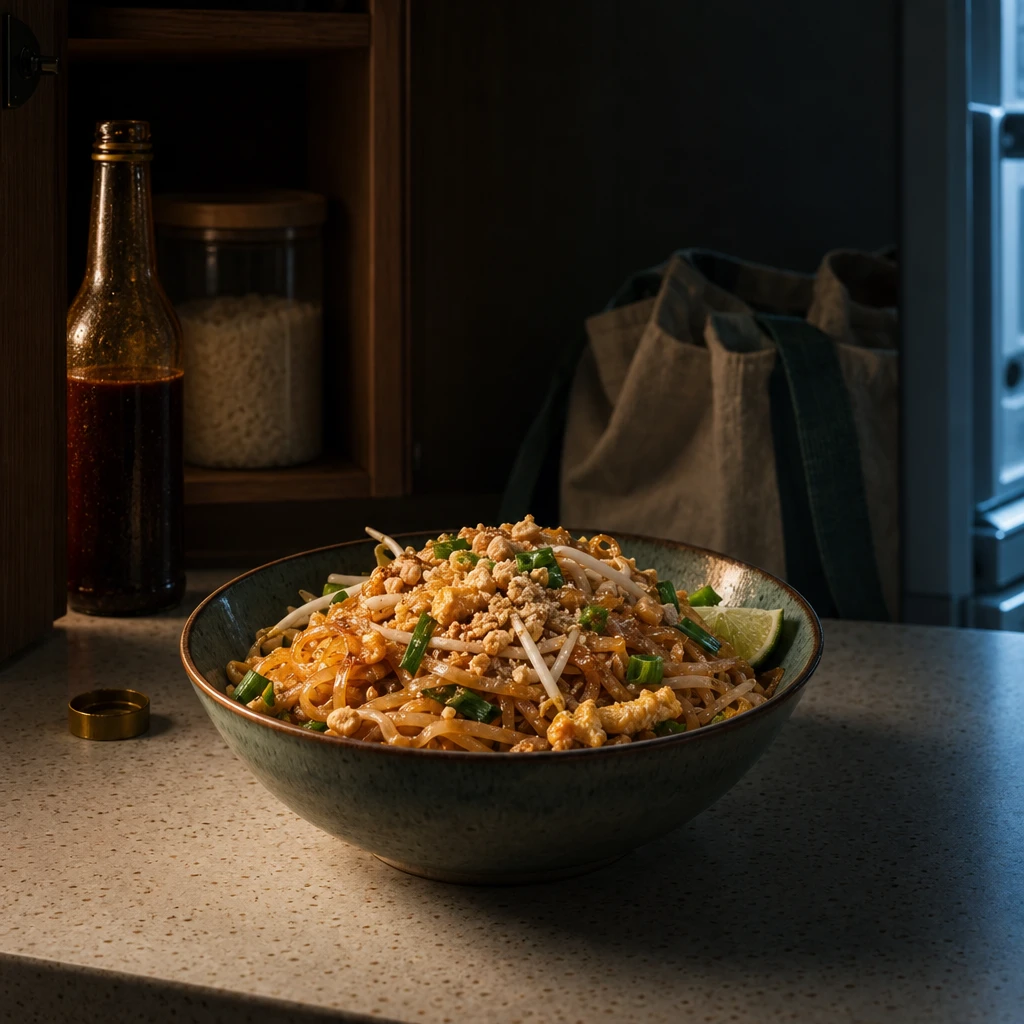
The weeknight kitchen has its own soundtrack: oil warming in a skillet, rice steaming on the counter, a bottle cap clicking off a sauce that once required a specialty-store hunt. What feels ordinary now was not always ordinary. Many of the dishes Americans cook on repeat arrived here in stages, carried by migration, translated by restaurants, and finally made practical by supermarket shelves.
The pantry changed the map
A dish usually goes mainstream in three steps.
- People bring it with them, preserving technique and flavor in homes and communities.
- Restaurants make it visible, giving diners a first taste and a name to remember.
- Stores catch up, stocking the ingredients that turn a restaurant memory into dinner.
That pattern helps explain why a plate like Pad Thai can feel as familiar as spaghetti. Pad Thai has deep roots in Thai cooking, but its modern identity was sharpened in the 20th century, when noodle dishes became part of a broader national food story in Thailand. In the United States, Thai restaurants turned it into an ambassador dish: sweet, salty, tangy, noodle-forward, easy to love on a first bite. Then came the home-cook turning point. Once bottles of Fish Sauce appeared in ordinary grocery aisles, the flavor stopped feeling locked inside restaurant kitchens.
Restaurant theater matters
Some dishes went mainstream because they were memorable at the table, not just delicious on the plate.
Take Dolsot Bibimbap. Bibimbap has a long history in Korea as mixed rice with vegetables, sauce, and often meat or egg, but the dolsot version, served in a hot stone bowl, added drama: crackling rice, steam rising, the table-side urge to stir. Korean restaurants in American cities made that sensory experience part of the dish’s identity. Later, Korean grocery expansion and broader supermarket interest made Gochujang easier to find, so the spicy-sweet backbone of bibimbap became a pantry ingredient instead of a restaurant mystery.
That same idea of visibility helped shape the American life of Ahi Poke. Poke comes from Native Hawaiian foodways, where seasoned raw fish has long been part of local eating. On the mainland, it first traveled through Hawaiian communities and tourism, then shifted again when fast-casual restaurants presented it in highly customizable bowls. That adaptation is not the whole story of poke, and it can flatten its roots if we are not careful. But it does explain how a regional dish entered weeknight vocabulary. Once home cooks grew comfortable buying very fresh fish, sesame oil, soy sauce, and seaweed, poke moved from vacation memory to plausible dinner.
Migration builds the home version
Restaurants may introduce a dish, but migration is what gives it staying power.
With Carnitas Tacos, the path runs through central-western Mexico, especially Michoacán, where carnitas developed as a celebratory way of slowly cooking pork until it is tender within and crisp at the edges. In the United States, Mexican migration carried both the method and the expectation that tacos could be specific, regional, and deeply local at once. Taquerias spread that understanding city by city. Then the supermarket did its part. When a pack of Corn Tortillas became easy to pick up during a regular grocery run, the leap from taco shop to home kitchen got much smaller.
Larb followed a quieter route. Beef Larb belongs to a family of minced meat salads associated especially with Laos and with northeastern Thailand, where herbs, toasted rice powder, lime, chiles, and fish sauce create a dish that is bright, savory, and alive with texture. For many American diners, larb arrived through Lao and Thai restaurants, often overshadowed by more familiar noodle dishes. But as cooks got curious about sharper, herb-driven meals and started keeping fish sauce on hand, larb became easier to make without compromise. It is a good example of how a dish can move mainstream without losing the flavor logic that defines it.
What “mainstream” really means
When a regional dish becomes a staple, it does not become fixed. It becomes repeatable.
That is the real turning point. A dish starts to live a second life when home cooks can do it on a Wednesday with the ingredients they already know how to buy. Sometimes that means adaptation. Sometimes it means a little simplification. Ideally, it also means more curiosity about where the dish came from and who kept it alive long before it showed up in meal plans and grocery apps.
There is a useful humility in that. Pad Thai is not just noodles. Bibimbap is not just a rice bowl. Poke is not just a customizable lunch. Carnitas are not just pulled pork for tacos. Larb is not just a quick ground-beef dinner. Each became common through a chain of people, places, and pantry shifts.
The good news for home cooks is that this history is not remote. It is sitting in your cupboard and produce drawer, waiting for dinner. Pick one dish, buy the key ingredient you have been meaning to learn, and cook your way into the story.