Your Dinner Doesn’t Need More Heat. It Needs More Sourness.
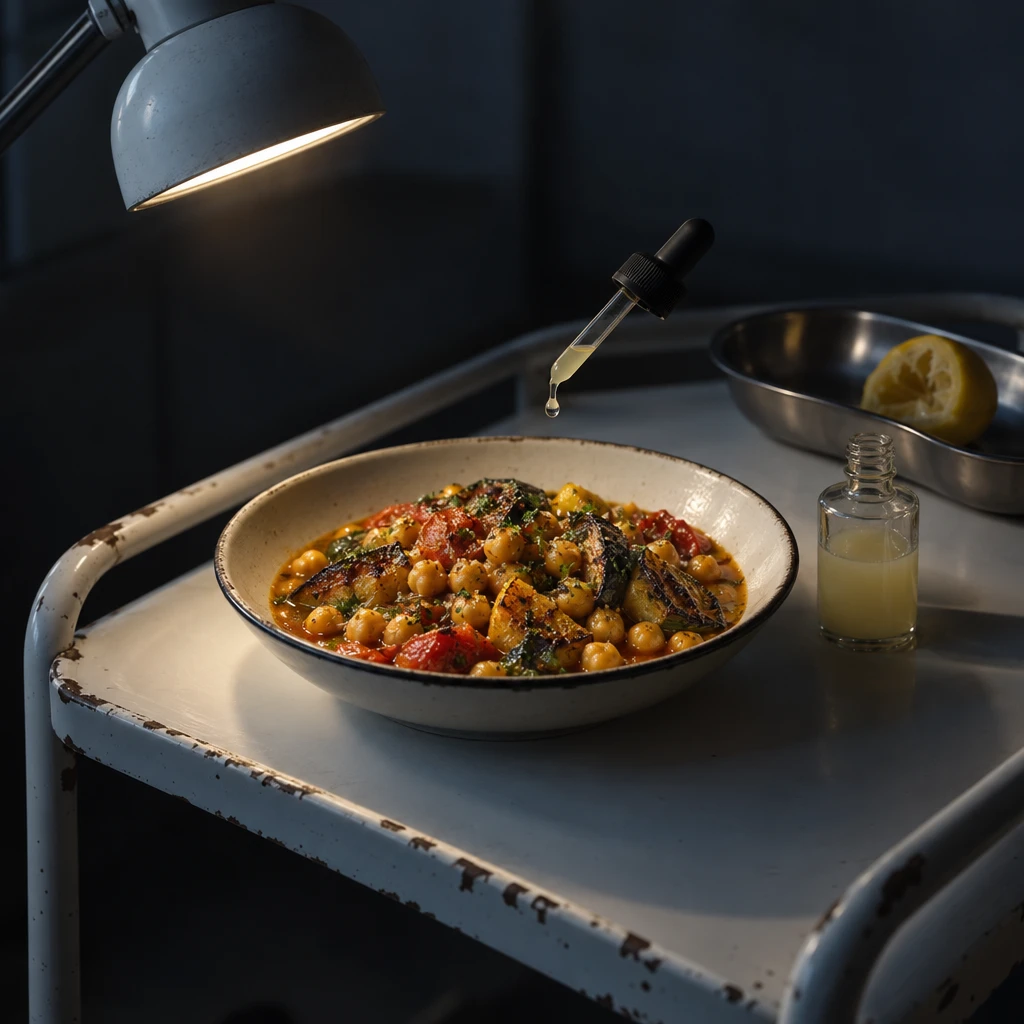
I am begging the home-cooking public to stop making chili flakes do a job that belongs to acid.
Your stew is not dull because it lacks violence. Your grain bowl is not sleepy because it needs a hotter pepper. Your roasted vegetables are not "missing something" because the universe forgot to invent one more smoked seasoning blend. They are flat because they need lift, and lift is usually sour.
This is the part where someone waves a tiny jar of artisanal fire dust at me and says, "Actually, I like bold flavors." So do I. That is precisely why I am here, pounding the table for vinegar, tamarind, yogurt, citrus, fermented sharpness, and the entire glorious family of things that make your jaw wake up.
Stop blaming spice for your bland food
Heat is not structure. Heat is an event.
Sourness is structure. Sourness changes the shape of a dish. It tightens, brightens, and clarifies. It makes salt taste more precise and sweetness less cloying. It gives fat an edge. It tells richness to sit up straight.
Think about Smashed Cucumber Salad. Nobody eats it and says, "What this really needed was a ghost pepper situation." The point is the snap, the smack of acid, the cold slap of contrast, maybe a little Chinese Black Vinegar if you have any sense. The cucumbers do not whisper. They arrive with posture.
Or look at Pork Sinigang. A sour soup is a direct rebuke to the timid idea that acidity is merely garnish, a polite squeeze at the end. No. The broth itself is organized around tartness. It is not a note. It is the architecture. Add Tamarind Paste and suddenly pork, greens, tomatoes, all of it becomes more itself.
This is what acid does when you stop treating it like a finishing-school accessory.
Your pantry has enough personality. It needs tension.
There is a certain kind of cook, and perhaps you live with one, who responds to flat food by adding more things. More garlic. More paprika. More cumin. More hot sauce. More "depth." By the end, dinner tastes like a crowded group chat.
What it needed was one sharp, intelligent interruption.
Take Tamarind Chickpea Stew. Chickpeas are earthy. Lovely, yes. But earthy can become stubborn in about six minutes. Tamarind cuts through that density and gives the whole pot momentum. It moves. It has direction. You could also get there with Amchur in the right dish, or a spoon of Pomegranate Molasses when sweetness needs a dark, tart spine.
This is the neglected truth of the weeknight kitchen:
- Acid makes humble food feel deliberate
- Acid rescues leftovers faster than almost anything else
- Acid is often the difference between rich and exhausting
I am not saying spice does not matter. I am saying half the time we ask spice to perform emergency surgery when a squeeze of lemon could have handled triage.
Sourness is not a side quest
People talk about acid as if it belongs only to dressings and little final flourishes. This is nonsense produced by a culture overly attached to beige comfort.
Consider Roasted Cauliflower Labneh. The roasted cauliflower brings sweetness and char. Fine. But labneh is what turns it from competent to magnetic. Tangy dairy gives the vegetable a reason to exist on the plate beyond "healthy side." Throw on Sumac and now you have brightness, fruitiness, and bite working as a system.
Then there is Ruby Borscht, which should have ended the argument years ago. Beet sweetness on its own can veer toward soft and muddy. Borscht knows better. It insists on tang, whether from fermentation, vinegar, or cultured dairy, because sweetness without acidity is a monologue. Acidity makes it a conversation.
That is my whole case, really. Sourness is not there to decorate flavor. It creates contrast, and contrast is the thing people keep mistaking for complexity. Complexity is wonderful. Contrast is dinner on a Wednesday.
A modest proposal for the acid-forward household
I would like us all to retire the phrase "It just needs a little something," which is usually what people say moments before they throw random herbs at a pan like confetti at a parade.
Instead, ask one grown-up question: Where is the sourness?
Not every dish should pucker like a cartoon lemon. This is not a call for culinary assault. It is a call for courage and proportion. A spoonful of yogurt. A splash of vinegar. Tamarind in the stew. Pickle brine in the beans. Citrus over roasted vegetables. The point is not to make everything taste sour. The point is to make everything taste awake.
So no, your dinner probably does not need more heat. It needs a sharper outline. It needs tension. It needs the kind of brightness that makes one more bite feel inevitable.
In other words, it needs the thing we keep treating as optional, right up until someone sets down a truly sour dish and the whole table suddenly starts paying attention.