Lamination Without the Panic: 5 Flaky Spring Bakes to Master Layered Dough
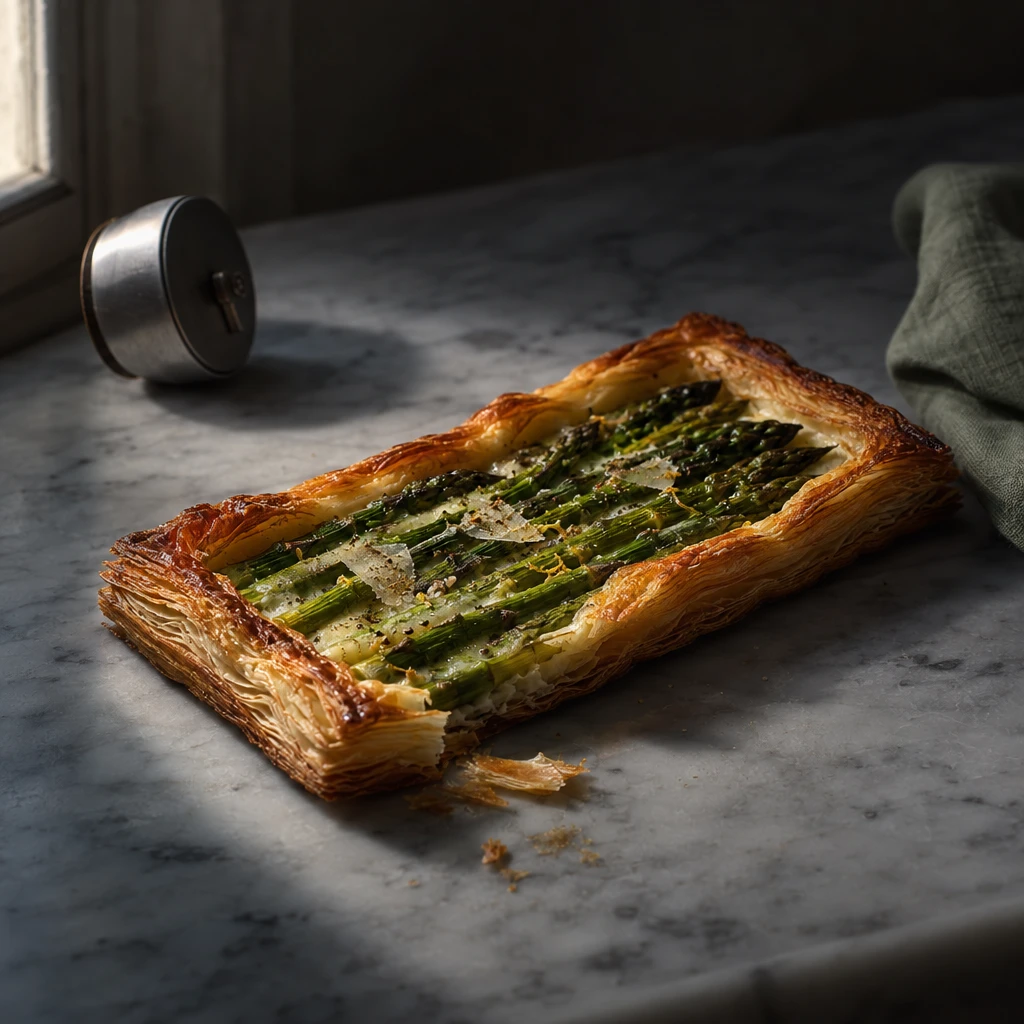
The first warm weekends of spring have a way of changing what feels worth making. Windows crack open, butter softens faster on the counter, and suddenly a tray of flaky pastry seems less like a bakery stunt and more like the right project for the season. This is the moment for lamination: cool dough, thin sheets of butter, and the quiet satisfaction of watching layers lift in the oven.
What lamination is really doing
At its core, lamination is simple. You enclose butter in dough, roll it out, fold it, chill it, and repeat. In the oven, the water in the butter turns to steam, the dough structure holds that steam, and the layers separate into all that crisp, delicate lift.
The part that unnerves home bakers is not the idea. It is the mythology around it. Lamination gets treated like a test of worthiness, when it is really a lesson in temperature and patience.
A few rules matter more than anything else:
- Keep the butter cool but pliable
- Rest the dough before it fights back
- Use flour lightly so the layers can cling to each other
- Bake until deeply golden, not merely pale and done
That last point is worth underlining. Pale laminated dough can look finished before the interior layers have actually dried and crisped.
Start with the classic benchmark
If you want to understand laminated dough from the inside out, there is no clearer teacher than Croissant Au Beurre. A good croissant shows you everything: whether your butter stayed distinct, whether your dough was rolled evenly, whether you proofed long enough for volume without melting the layers away. It is exacting, yes, but it is also one of the best ways to learn what laminated dough should feel like in your hands.
Once that logic clicks, a shaped pastry like Spandauer makes the method feel friendlier. The dough is still doing the same structural work, but the finish is looser, more playful, and easier to personalize. This is where many home bakers realize lamination is not magic. It is repetition.
If you are making laminated dough from scratch, use the best butter you can. Cultured Butter brings a little more character and often handles beautifully in layered dough, especially when you want the butter flavor to read clearly in a plain pastry.
When scratch is worth it, and when it is not
There are days when homemade laminated dough is the whole point. A slow morning, a cool kitchen, a little extra counter space. That is the day for croissants and other classic pastry projects.
Then there are the days when what you really want is the effect of lamination: dramatic lift, shattering edges, buttery layers that frame something green and fresh. On those days, Frozen Puff Pastry is not cheating. It is an excellent tool.
Store-bought puff pastry gives you a clean shortcut to the same big ideas:
- cold fat creates lift
- thin layers bake up crisp
- wet fillings need restraint
- high heat rewards good structure
In other words, you can practice the instincts of lamination even when you did not make the dough yourself.
Bring the technique into spring
This is where the method gets especially useful. Spring fillings are often light, moist, and quick-cooking, which makes them ideal for flaky dough if you keep the balance right.
Asparagus Goat Cheese Danishes are a perfect example. The pairing is seasonal and sharp in the best way, with Asparagus bringing grassiness and Fresh Goat Cheese adding tang and richness. But the real lesson is structural: dock where needed, keep the center filling modest, and let the border do the rising. The pastry should frame the filling, not disappear underneath it.
For a slightly broader canvas, Spring Ricotta Tart shows how laminated dough can support a custardy, creamy topping without turning heavy. Ricotta needs a restrained hand and a hot oven. Too much filling and the base stays soft. Just enough, and you get contrast: crisp shell, tender center, and the brightness of spring vegetables or herbs on top.
And then there is Mushroom Pirozhki, which is useful for a different reason. Even when a bake moves away from textbook French lamination, the same instincts still apply. Keep fat cold, avoid overworking, and think about steam. Mushrooms carry moisture, so the filling needs to be cooked down and seasoned assertively before it ever meets the dough. That is the broader lesson of flaky pastry, and it travels well across styles and traditions.
The confidence-building version of lamination
Home cooks do not need to master every fold pattern at once. What helps more is knowing what to watch for.
If the butter breaks: it was too cold. Let it soften slightly before the next turn.
If the dough smears: it was too warm. Chill it before rolling again.
If the pastry leaks butter in the oven: the layers were compressed, the butter got too soft, or the proof went too far.
If the bake is flat: you likely need cleaner folds, a colder dough, or more color in the oven.
That is the real shift from panic to fluency. You stop treating pastry as a verdict and start reading it as feedback.
Spring is a particularly good teacher here because the fillings are so inviting. A neat Danish, a slim tart, a tray of golden pastries for brunch, even a savory hand pie for lunch: each one gives you a visible payoff for a few careful choices.
Lamination is not reserved for bakery people. It is a method, and methods get better every time you use them. Pick the version that suits your weekend, keep the butter cold, and let the oven show you the rest.