Miso, Everywhere: 5 Spring Recipes Beyond Soup
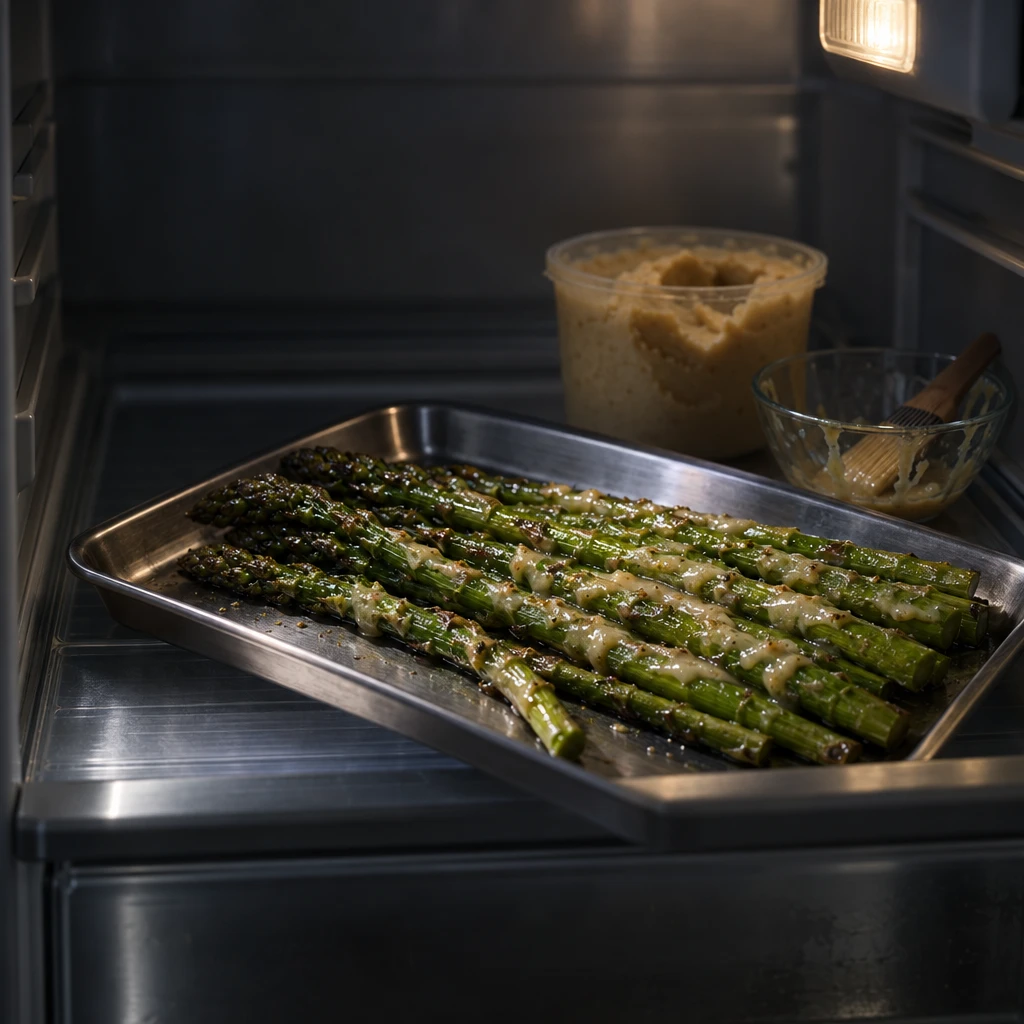
The first really good asparagus of spring has a particular snap. Radishes taste sharper, greens cook down to silk in minutes, and even carrots seem sweeter after months of winter storage. This is the season when vegetables ask for a lighter hand, but not a timid one. A spoonful of miso turns out to be exactly right: savory, a little sweet, deeply salty, and soft enough to disappear into dressings, glazes, and butter sauces without much effort.
Most of us meet miso in soup and leave it there. Fair enough, it belongs there. But spring is when a tub of miso starts to show its range. It can make quick vegetables taste more settled and complete, give noodles backbone, and add complexity to a weeknight dinner that is otherwise just produce, heat, and a pan.
Why miso works so well with spring produce
Miso has a way of filling in the edges. Early spring vegetables can be grassy, peppery, or gently bitter, and miso rounds them out without covering their character.
A few reasons it earns permanent fridge space:
- Salt and depth in one ingredient
- Easy dissolving power for vinaigrettes, broths, and pan sauces
- A subtle sweetness that flatters carrots, onions, and tender greens
- A fermented richness that makes meatless meals feel satisfying
For bright spring cooking, White Miso Paste is usually the easiest place to start. It is milder and slightly sweeter, so it blends neatly with lemon, butter, and herbs. If you like a stronger, earthier finish, Red Miso Paste is worth keeping around for roasted vegetables and heartier noodles.
Start with the vegetables already in your crisper
Asparagus may be the clearest example of how little miso needs to do. In Miso Glazed Asparagus, the paste becomes a glossy coating that highlights the grassy freshness of Asparagus instead of burying it. You get contrast in every bite: green, juicy stalks with a savory sheen that tastes far more layered than the short ingredient list suggests.
Radishes are another good lesson. Raw, they can be assertive. Cooked with butter and miso, they soften and sweeten while keeping their identity. Miso Butter Radishes turns Radishes into something almost unexpectedly plush, the kind of side dish that makes roast chicken, rice, or a bowl of beans feel more considered.
And if your spring carrots are looking especially crisp and slender, go straight to Miso Glazed Carrots. The natural sweetness of Carrots loves miso. It is one of those pairings that feels obvious after the first bite, with the glaze clinging just enough to make each piece taste polished without becoming heavy.
Miso also knows what to do with noodles
Spring dinners often want to be fast, but not plain. That is where miso really proves its usefulness. Stir it into a dressing with Rice Vinegar and Toasted Sesame Oil, and suddenly a bowl of noodles has shape, balance, and a point of view.
Miso Soba Salad is a strong example of that pantry-to-dinner efficiency. Soba is nutty and light, and miso gives it a savory center that helps raw or lightly cooked vegetables feel like a full meal. This is the kind of dish that works for lunch the next day too, which is not nothing when the week gets busy.
For something warmer, softer, and closer to comfort food, Miso Butter Greens Pasta shows how naturally miso slips into a butter-based sauce. The greens keep it seasonal, the pasta keeps it practical, and the miso makes the whole bowl taste as though you spent longer on it than you did. It is especially good for the nights when your produce drawer is full of odds and ends that need using.
A few small ways to use miso better
If you are newly in the habit of cooking with miso, a couple of notes help:
- Whisk it with a little warm water first if you want it to blend smoothly into dressings or sauces.
- Use it as a seasoning, not just a base. A teaspoon or two can be enough.
- Pair it with acid. Vinegar, citrus, and even a sharp pickle keep the flavor lively.
- Watch the salt. Miso often replaces part of what you would normally add.
That is really the shift: thinking of miso less as a specific soup ingredient and more as a flexible seasoning paste. It can glaze, dress, enrich, and anchor. In spring, when the market starts looking green again and dinner gets simpler, that kind of versatility matters.
A single tub can carry you through the week, from glossy asparagus to quick noodles to buttery vegetables that taste just a little smarter than they should for the amount of work involved. Pick one recipe, keep the miso near the stove, and let spring dinner get interesting.