The Cheese That Starts After Cheesemaking
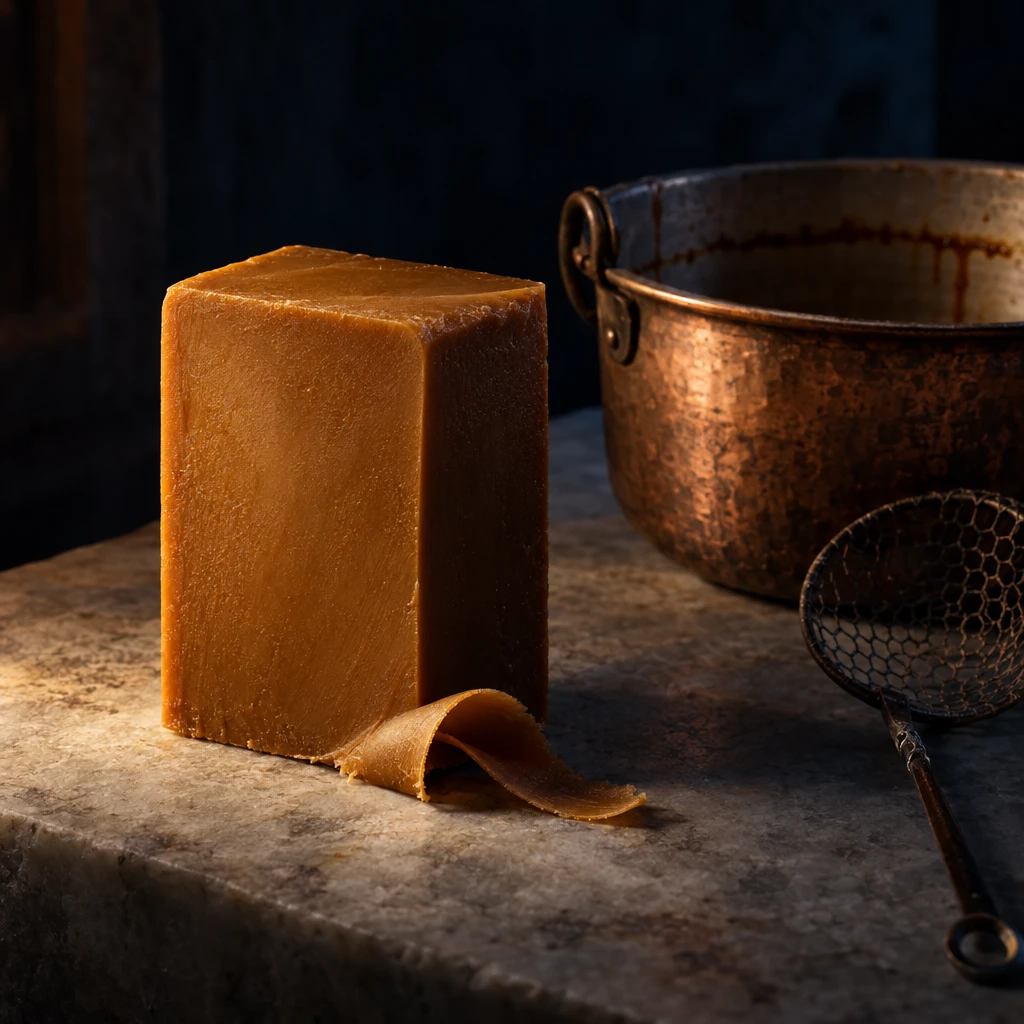
The first surprise is the color: a polished brown somewhere between peanut butter and caramel. The second comes from the cheese slicer. Brunost yields in thin, supple ribbons, releasing a scent of warm milk, toasted sugar, and mountain pasture.
Then there is the question that follows it everywhere: Is this actually cheese?
Brunost, literally “brown cheese,” does not begin with curds. It begins with what conventional cheesemaking leaves behind. Whey, often treated as a by-product, becomes the main event through heat, concentration, and a refusal to waste what milk has to give.
The Work That Remained
For centuries, Norway’s summer mountain farms, or setre, turned milk into foods that could outlast the brief grazing season. Butter and traditional cheeses captured much of the milk’s fat and protein. The remaining whey was still rich in lactose, minerals, and traces of protein, but it contained too much water to travel well or keep for long.
The answer was patient boiling. As water evaporated, the whey thickened and sweetened. Continued cooking produced a soft, brown dairy concentrate known in several forms, including prim and mysost. This was preservation by subtraction: remove enough water, and the apparent remainder becomes valuable food.
The process also explains brunost’s unusual flavor. Heat concentrates lactose, the natural sugar in milk, while browning reactions between sugars and amino compounds create roasted, nutty, almost butterscotch-like notes. “Caramelized” is useful shorthand, but brunost is more complex than caramel. Its sweetness arrives with salinity, dairy tang, and, in goat-milk versions, a distinct savory sharpness.
That balance is especially clear in Brunost Stuffed Pancakes, where warm brunost softens inside a mild batter. The pancake does not turn the cheese into dessert so much as reveal the sweetness already built into it.
Anne Hov Adds the Cream
The pivotal chapter in modern brunost history is associated with Anne Hov, a dairymaid and farmer in Gudbrandsdalen. In 1863, she is credited with enriching cooked whey with cream, producing a fattier, more substantial brown cheese. Her innovation helped shape the style now known as Gudbrandsdalsost, commonly made with a mixture of cow’s and goat’s milk and cream.
Hov did not invent the idea of reducing whey. Norwegian dairy workers already understood that transformation. Her contribution was to make the result richer and more commercially compelling at a time when rural producers needed foods that could command a price beyond the farm.
This history matters because brunost is sometimes presented as an eccentric national snack, detached from labor. In fact, it reflects the expertise of women managing milk at mountain dairies: judging heat without modern controls, preventing scorching, and knowing when a vat of liquid had reached the right concentration and texture.
That knowledge survives at the breakfast table. A thin slice of brunost over a heart-shaped waffle remains one of its most familiar settings. In Norwegian heart-shaped waffles, the waffle’s crisp edges and tender center meet brunost’s dense sweetness, often with tart cream or jam nearby. It is a small meal built from contrasts rather than excess.
Sweet, Savory, or Neither
Brunost frustrates tidy categories. Its sweetness suggests confectionery, yet Norwegians do not reserve it for dessert. It appears on bread, crispbread, waffles, and pancakes, but it can also deepen sauces for game.
In northern Norway, møsbrømlefse makes the case for brunost as a meal unto itself. The Salten specialty fills soft lefse with a warm brown-cheese mixture, traditionally accompanied by rich dairy elements. Møsbrømlefse lands somewhere between porridge, flatbread, and molten cheese course, with no need to choose a side.
The savory argument becomes even clearer in Venison with brown cheese sauce. Added to a sauce for Venison, brunost contributes more than sugar. It brings milk solids, salt, roasted depth, and enough sweetness to round out the dark flavor of the meat. Used carefully, it behaves less like candy than a concentrated dairy seasoning.
So, is brunost cheese? Under narrow definitions centered on curd formation, not quite. Norwegian dairy terminology often distinguishes whey cheese from conventional cheese, even while everyday language comfortably calls both ost. Culturally, the debate feels less urgent. Brunost is sliced with a cheese plane, sold beside cheese, and eaten in the places cheese occupies.
Its deeper achievement is not taxonomic. Brunost asks us to look again at what remains in the pot. The whey left after cheesemaking was never empty. It was simply unfinished.