Tahini, Peanut Butter, Almonds: The One Sauce Trick That Travels
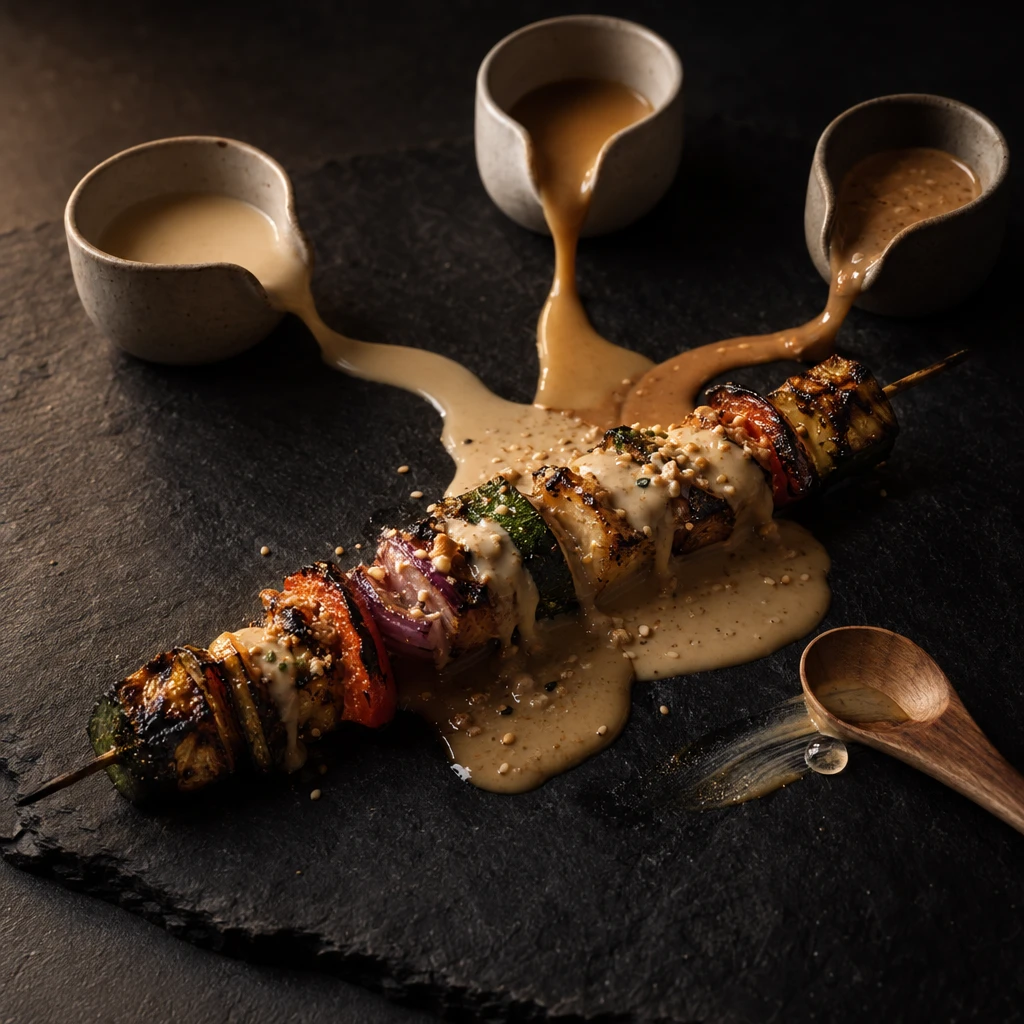
A spoon dragged through tahini leaves a groove that closes slowly.
That little movement explains more about sauce than most recipes do. What you are seeing is structure. Not just flavor, not just richness, but the thing that makes a dressing cling to lettuce, a sauce hold onto grilled meat, or a cold soup feel rounded instead of thin.
Across a surprising number of cuisines, seed and nut pastes do this same quiet job. They turn water into something silky. They carry garlic, chile, citrus, and spice. They make a sauce feel creamy without any cream at all.
Once you notice that, pantry items like Tahini, Peanut Butter Smooth, or Almonds stop looking niche. They start looking like tools.
The paste is doing more than flavoring
Take a tahini sauce spooned over Chicken Shawarma. People often talk about tahini as if its purpose were purely taste, that bitter, toasted sesame depth. But its real magic is mechanical. Sesame paste is packed with fine particles and oil, which means it can emulsify with lemon juice and water into something lush and pourable. It softens sharp garlic, gives body to acid, and settles over meat in a way plain yogurt or vinaigrette would not.
The same principle shows up in peanut sauce with Chicken Satay. Here the paste does several jobs at once. It rounds out the heat, anchors aromatics, and gives the sauce enough heft to cling to the skewers instead of pooling underneath them. That is why peanut sauce can taste both intense and soothing. The fat carries spice, while the solids create body.
Then there is Gado Gado, where peanut sauce is less a side note than the dish’s organizing principle. Raw and blanched vegetables, eggs, tofu, maybe crackers, all need a unifying element. Peanut paste gives the dressing enough density to coat ingredients with very different surfaces and moisture levels. In other words, it makes a composed plate feel coherent.
This is the useful kitchen idea hiding in plain sight: a paste-based sauce is texture technology. The flavor may change from sesame to peanut to almond, but the logic stays remarkably steady.
Six cuisines, one practical pattern
It is tempting to file these sauces by region and stop there. Tahini belongs to the Levant. Peanut sauce belongs to Southeast Asia. Almond sauces belong to Italy. True enough, but that framing can make us miss the deeper connection.
Consider Bulgaria’s Tarator. It is a cold soup, usually associated with yogurt, cucumbers, dill, and walnuts. Yet the nuts matter beyond garnish. Ground or crushed walnuts bring a gentle thickness and a soft, almost buttery finish that keeps the soup from tasting watery. The same principle is at work, even in a dish that looks nothing like satay or shawarma.
Move to Mexico and the point becomes even clearer in Mole Poblano. Mole is famously complex, but one reason it feels so luxurious is the presence of ground seeds and nuts in the sauce structure. They do not simply add flavor notes. They help suspend chiles, spices, and broth into something velvety and deep. Remove that element and the sauce changes not just in taste, but in architecture.
In Sicily, Busiate Trapanese offers a brighter version of the same idea. Almonds are pounded with tomatoes, garlic, olive oil, and basil into a sauce that feels creamy without dairy and without long cooking. The nuts tame the tomatoes’ raw edge and give the sauce enough body to hug the twisted pasta. It is a pesto logic applied to a sunnier pantry.
Six cuisines, six different tables, one repeated solution to a common cooking problem: how do you make a sauce feel full?
How to think like a paste cook
If you keep seed and nut pastes around, you can borrow this trick well beyond the dishes that made it famous.
A few rules help:
- Loosen gradually. Tahini often tightens before it relaxes. Add water a little at a time and keep stirring.
- Balance bitterness with acid and salt. Lemon, vinegar, or tamarind can wake up a flat paste.
- Watch the texture of the jar. Very loose natural nut butter behaves differently from a dense, well-emulsified one.
- Match the paste to the job. chinese_sesame_paste is darker and more assertive than tahini. Sunflower Seed Butter can stand in when you want body without nuts, though the flavor changes.
This is also why substitution can work better than people assume. If you understand whether the paste is providing nuttiness, bitterness, color, or simply thickness, you can swap with more confidence. Not perfectly, of course. A satay made with tahini will not taste like satay. But the sauce can still work because the underlying function is the same.
That is the part worth carrying into everyday cooking. Seed and nut pastes are not pantry curiosities waiting for one specific recipe. They are some of the most efficient sauce builders in the kitchen, able to turn a few sharp ingredients and a splash of water into something with weight, gloss, and calm.
And once you know to look for that slow-closing groove in the spoon, you start seeing the family resemblance everywhere.